
A stroke can change daily life overnight, both for the person who experienced it and for the family member stepping into a caregiving role. Recovery is rarely linear, and it often involves physical, cognitive, and emotional challenges all at once. The suddenness of the event can cause lasting trauma, in addition to the physical damage.
Stroke recovery isn’t just about regaining movement. Depending on which part of the brain was affected, your family member may face challenges with speech, memory, vision, swallowing, emotional regulation, or fatigue. They may also experience physical limitations alongside these difficulties.
Steps Caregivers Can Take to Help a Loved One’s Stroke Recovery
- Ask the right questions.
Understanding the specific type and location of the stroke and asking the medical team what the path to recovery can look like helps set realistic expectations. While they may not be able to offer specific predictions on progress, the team can likely give you some educated opinions.
- Follow the rehab team’s lead.
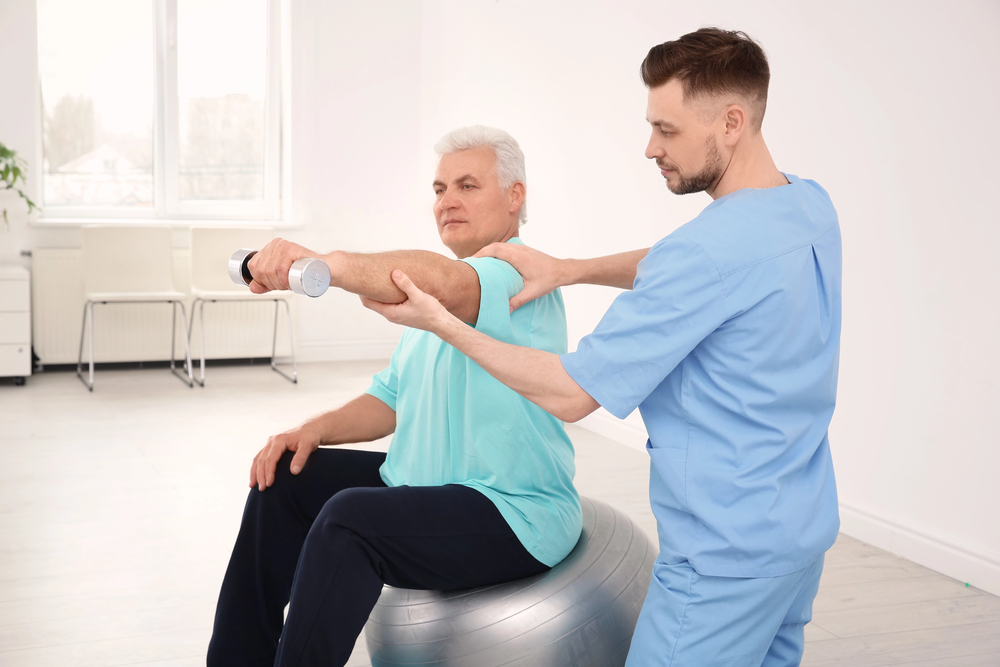
Physical therapists, occupational therapists, and speech-language pathologists design exercises and routines specifically calibrated to your family member’s needs. Reinforcing these at home, rather than introducing your own exercises or shortcuts, keeps recovery on track and avoids accidental injury.
Ask the rehab team to show you exactly how to assist with exercises, transfers, or communication techniques so you’re supporting their plan rather than working against it.
- Watch for signs of depression.
Post-stroke depression is extremely common and often goes unrecognized because it can look like fatigue, irritability, or apathy rather than sadness. It’s a medical response to changes in brain chemistry and life circumstances, not a character issue or something a person can simply push through.
If you notice withdrawal, loss of interest in activities they used to enjoy, or persistent low mood, mention it to their doctor. Treatment can make a meaningful difference in both mood and rehabilitation progress.
- Adjust communication, not just tasks.
If speech or language has been affected by a condition called aphasia, patience matters more than correction. Give your family member extra time to find words, avoid finishing their sentences unless they ask for help, and use simple, direct language rather than complex questions.
Yes-or-no questions, visual aids, or gestures can reduce frustration on both sides. Speaking to them as a capable adult, even when communication is slow, protects their dignity during a vulnerable time.
- Make the home safer.
Falls are a major risk during stroke recovery, particularly if balance or one side of the body has been affected. Removing loose rugs, adding grab bars in the bathroom, improving lighting, and clearing walkways of clutter can prevent injuries. An occupational therapist can often do a home safety assessment and recommend specific modifications tailored to your family member’s mobility level.
- Celebrate small wins.
Progress after a stroke can be slow and uneven, and it’s easy for both the survivor and caregiver to focus only on what hasn’t returned yet. Acknowledging small improvements such as a few more unassisted steps, a clearer sentence, or more energy in the afternoon helps build motivation and momentum. Recovery is often measured in inches, not miles, and noticing those inches matters.
- Take care of yourself, too.
Caregiving after a stroke is frequently intense in the early months thanks to medical appointments, therapy schedules, and hands-on assistance with daily tasks. It’s common for caregivers to put their own needs aside entirely during this period. But burnout helps no one.
Accepting help from other family members, joining a stroke caregiver support group, and taking breaks when possible aren’t luxuries. They allow you to keep showing up consistently over the months of recovery ahead.
Short-Term Stays at Heritage
Supporting someone after a stroke requires two mindsets: it’s important to push for progress in rehabilitation while accepting that recovery unfolds at its own pace. Your consistency, patience, and willingness to ask for help along the way are just as important to recovery as any single exercise or appointment. It’s also a good idea to learn more about stroke prevention in order to help your family member avoid experiencing another one.
Following a loved one’s discharge from a rehabilitation center, families sometimes find it helpful to take advantage of respite stays in an assisted living community. The family member will stay in an environment designed with safety in mind. A physical or occupational therapist might also be able to offer further rehabilitation on an outpatient basis at the community.
Call a Heritage location near you for more information on respite services!