
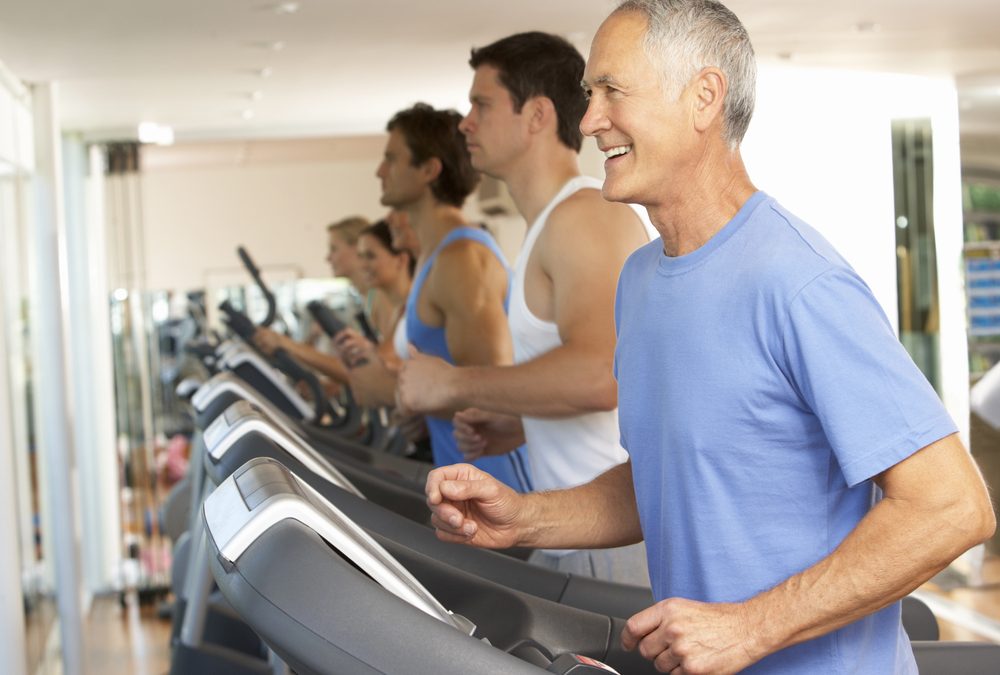
Aging doesn’t have to mean slowing down. However, it often means rethinking how you move. Joints get less forgiving, recovery takes longer, and old routines that once felt easy can start to feel risky.
The good news is that low-impact exercise offers nearly all the benefits of higher-intensity workouts, such as better heart health, stronger muscles, improved balance, and a brighter mood. And those benefits come without the wear and tear on knees, hips, and spine.
Why Low-Impact Matters
High-impact activities like running or jump training put repeated stress on joints, which can aggravate arthritis or old injuries. Low-impact exercise keeps at least one foot on the ground at all times or removes gravity’s pull altogether, as in swimming. This doesn’t mean low-impact equals low-effort. Intensity can still be high; it’s the stress on joints that’s minimized.
Here are some different types of low-impact exercise for you to explore:
- Walking: The Foundation
Walking remains one of the most underrated exercises available. It requires no equipment, can be done almost anywhere, and scales easily—from a gentle stroll to a brisk, arm-pumping pace that gets the heart rate up. Aim for 30 minutes most days of the week. Adding hills or light hand weights increases the challenge without adding impact.
- Swimming and Water Aerobics
Water supports body weight, taking pressure off joints while still providing resistance for muscle building. Swimming laps works nearly every major muscle group and builds cardiovascular endurance. Water aerobics classes are especially popular among older adults because they combine social interaction with structured movement, often set to music, making the workout feel less like exercise and more like community.
- Recumbent Bike or Outdoor Cycling
Whether on a recumbent bike or outdoors on flat terrain, cycling strengthens the legs and heart without jarring the joints. Recumbent bikes, which offer back support and a reclined position, are a good option for those with balance concerns or lower back issues.
- Strength Training
Muscle mass naturally declines with age, a process called sarcopenia. This loss is directly linked to falls, frailty, and loss of independence. Strength training counters this. Resistance bands are inexpensive, portable, and gentle on joints while still building meaningful strength. Two to three sessions a week focusing on major muscle groups—legs, back, chest, arms, and core—can meaningfully slow age-related muscle loss.
- Yoga and Tai Chi
Both practices emphasize slow, controlled movement, flexibility, and balance. Research has provided strong evidence that tai chi helps reduce fall risk in older adults since it trains the body to make small stabilizing adjustments. Yoga adds flexibility and can be adapted with chairs or props for those with limited mobility. Beyond the physical benefits, both practices incorporate breathing and mindfulness, which can lower stress and improve sleep.
- Chair Exercises
For those with significant mobility limitations, chair-based routines offer a way to stay active without standing balance concerns. Seated leg lifts, arm circles, and gentle stretching can maintain circulation, flexibility, and strength for people recovering from surgery, managing chronic pain, or simply preferring a lower-intensity option.
Building an Exercise Routine That Sticks
The best exercise is done consistently. Mixing modalities, such as a walk on Monday, swimming on Wednesday, and resistance bands on Friday, helps prevent boredom while working different muscle groups. Starting slow and increasing duration or intensity gradually reduces injury risk.
It’s also worth checking in with a doctor before beginning a new routine, especially with existing health conditions. They’ll be able to help you determine what types and amounts of exercise are best.
Staying active later in life isn’t about pushing through pain or chasing the fitness standards of youth. It’s about finding sustainable movement that keeps the body capable, the mind clear, and daily life easier to navigate,—one low-impact step at a time. This is an approach you’ll find every day at Heritage communities. We have fitness opportunities for residents to take part in ranging from stretching to walking groups and strength training.