
by Shelley | Jan 18, 2021 | Healthy Aging
As we close the book on the tumultuous year that was 2020, many people continue to experience a great deal of stress. While the COVID-19 pandemic persists, there are a variety of reasons to feel anxious. Uncertainty about a vaccine, worries about exposure, and isolation are among the most common.
Because chronic stress is linked to health issues ranging from headaches and weight gain to diabetes and heart disease, it’s important to learn healthy ways to navigate tough times. When you don’t have positive ways of coping, unhealthy behaviors are more likely to develop.
Many people find regular journaling eases stress. It can be a productive way to sort out your feelings, focus on your blessings, and keep grounded. In fact, University of Texas at Austin psychologist and researcher James Pennebaker believes regular journaling may even improve your health.
Journaling your feelings and fears helps you find solutions and peace. It can strengthen your immune system, increasing your odds of fighting off infections and staying healthy.
How and Why You Should Journal
One study highlighted the importance of journaling about what is really getting you down. Researchers found that 47% of patients with a chronic health condition experienced improvement in their physical and emotional well-being after writing honestly about what was impacting their lives. In contrast, people who journaled solely about everyday activities only had a 24% improvement. The bottom line was writing about what really hurts is difficult but meaningful.
If you’ve never tried journaling before, here’s some advice for getting started:
- Your journal doesn’t have to be expensive or particularly beautiful. While something nice to write in might entice you to journal more, even a spiral notebook will work.
- Journal at least four times a week to document your fears and hopes. Twenty to thirty minutes at a time is optimal for many people.
- Write without stopping; don’t worry about spelling and grammar. Just keep going.
- Write this for your eyes only. You’ll be more inclined to be open and honest if you don’t worry about what others might think.
- If writing about something makes you too upset, stop. Take a break and try again another day.
The Therapeutic Value of Journaling When You are a Caregiver offers more tips on journaling for better health. While written for family caregivers, much of the advice can be applied to anyone.
Heritage Responds to the COVID-19 Pandemic
At Heritage Senior Communities, we understand how fearful people are of being exposed to the coronavirus. Older adults are at highest risk for serious health consequences if they develop it. Coronavirus Precautions has tips to help you reduce your chances of being exposed, as well as information on our communities’ prevention measures. As conditions change, so will our response.
by trevor@addfuelfire.com | May 16, 2016 | Caregiving, Uncategorized
If you have ever kept a diary, you probably already know the clarity getting your thoughts down on paper can bring. Writing is a therapeutic form of self-expression known to relieve anxiety and stress.
The Therapeutic Value of Journaling for Caregivers
Caring for aging parents or another senior loved one can be tough on many different levels. There are moments of joy and then there are times of sadness. The rollercoaster of emotions is often difficult to manage.
Journaling is one tool family caregivers can use to process their own feelings and record life events. It provides family caregivers a safe place to honestly record their innermost thoughts.
Words that Heal
Journaling can also be a powerful healing tool for caregivers. A few common benefits include:
- Physical Health: Journaling positively impacts physical well-being. Research shows it can reduce symptoms of chronic diseases like arthritis and asthma.
- Reduce Anxiety and Stress: Caregivers may experience a wide range of emotions every day from sorrow and despair to joy and gratitude. Writing can help you understand and process difficult feelings like anger and resentment. It can also allow you to find moments of happiness amidst the toughest days of caregiving.
- Personal Time: Every family caregiver needs a few minutes of personal time every day. Journaling is a way to slow down and focus on your own feelings and fears.
- Problem-solving: Writing your worries down on paper allows you to access the right side of the brain. It’s the part of your brain where creative thought comes from. Let’s say you’ve been struggling with how to talk with your mother about her diabetes and the impact a poor diet is having on her health. After journaling about the problem, you may realize one solution is to talk with your mom about moving to a Michigan senior living community. Healthy meals that meet her dietary restrictions will be provided for her.
Journaling Prompts about Caregiving
If you would like to give journaling a try but aren’t quite sure how to get started, this exercise will help.
Set a timer for 10 to 15 minutes once every day. Use the time to write freely and to complete each of the following sentences:
- Today I feel…
- I’m looking forward to…
- I’m worried about…
- I’m grateful for…
Remember, when you are a caregiver, it’s important to make an extra effort to take care of you. By caring for your own health and well-being, you can be present to more fully care for your senior loved one.

by Shelley | Feb 27, 2026 | Healthy Aging
Gratitude is often thought of as a simple thank you. But research and lived experience increasingly show that being positive and living with gratitude can play a powerful role in emotional wellness. A grateful mindset can shape how we process stress, relate to others, and experience daily life.
For people seeking practical, sustainable ways to support emotional well-being and healthy aging, learning to be grateful offers an accessible and evidence-backed starting point. Let’s talk a little more about how gratitude shapes thinking and explore a practical method of teaching yourself to recognize the bright spots in daily life.
Gratitude Shifts Focus to the Present
At its core, gratitude shifts attention from what is lacking to what is present. The human brain is naturally wired to scan for threats and problems, a survival mechanism that can become overwhelming in modern life. Chronic focus on stressors contributes to anxiety, irritability, and emotional fatigue.
By contrast, practicing gratitude gently retrains the brain to notice positive experiences, supportive relationships, and moments of meaning. This does not deny hardship; rather, it creates balance by allowing positive emotions to coexist with challenges. One of the strongest links between gratitude and emotional wellness is its impact on stress and mood.
Studies have shown that people who regularly engage in gratitude practices report lower levels of depression and anxiety. Gratitude activates brain regions associated with dopamine and serotonin—neurochemicals that influence mood regulation and feelings of well-being. Over time, this can help build emotional resilience, making it easier to recover from setbacks and adapt to change.
Acknowledging and Sharing Gratitude
Emotional connections are deepened by gratitude because it is considered a key pillar of happiness. Expressing appreciation strengthens relationships by fostering trust, empathy, and mutual respect. When people feel seen and valued, emotional safety increases. This sense of connection reduces loneliness and isolation, both of which are strongly linked to poor mental health. Even simple acts—such as acknowledging a colleague’s effort or thanking a loved one for small gestures—can create meaningful emotional bonds.
Another important benefit of gratitude is its influence on self-awareness and self-compassion. Reflecting on moments of gratitude often brings clarity about personal values and sources of fulfillment. It can also soften self-criticism by reminding individuals of their strengths, support systems, and progress. This perspective encourages kinder self-talk and reduces the emotional weight of perfectionism and comparison.
Keeping a Gratitude Journal
Incorporating gratitude into daily life does not require dramatic changes. Small, consistent practices can make a lasting impact. Keeping a brief gratitude journal, mentally noting three things you appreciate each day, or pausing to acknowledge a positive moment can help integrate gratitude naturally.
This quick exercise on gratitude journaling might be a helpful resource for getting started. As you begin, remember that the key is sincerity, not scale. Gratitude is most effective when it feels genuine rather than forced.
In a world that often emphasizes productivity and problem-solving, gratitude invites a quieter, more nourishing focus. By fostering resilience, connection, and emotional balance, gratitude serves as a powerful and accessible tool for supporting long-term emotional wellness and healthier, more fulfilling lives.
Bookmark the Heritage Blog
If you found this article to be of interest, we encourage you to bookmark this blog and stop back often. Each week, we share new information on topics ranging from caregiving to senior living, healthy aging, and more!
by Shelley | Dec 29, 2025 | Caregiving
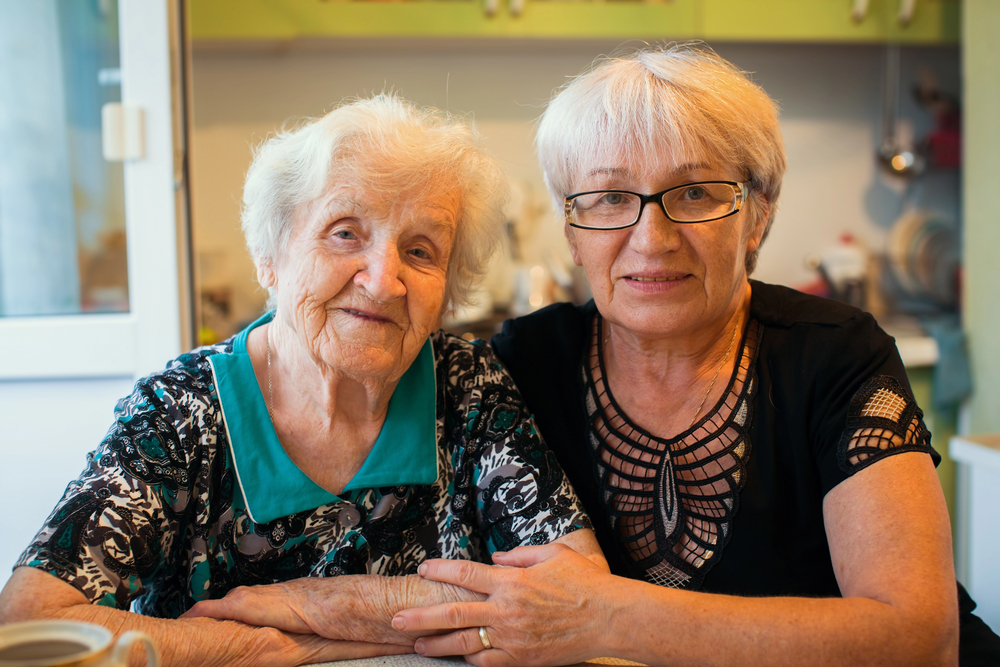
Winter can be a challenging season for caregivers, especially those who live in northern states like Michigan and Indiana. Shorter daylight hours, colder weather, and the post-holiday slump can intensify feelings of exhaustion, isolation, or emotional strain. When your focus is on supporting others, it’s easy to overlook your own needs.
However, practicing healthy self-care isn’t a luxury, it’s essential. It’s as vital to the person you provide care for as it is to you. Here are five practical strategies to help you beat the caregiver blues this winter and restore your sense of balance and well-being.
5 Tips for Caregivers to Protect Mental Health during the Winter
- Practice small, consistent self-care rituals.
Grand self-care plans often fall apart during busy days of caregiving. Instead, focus on small rituals that create steady emotional nourishment. Start with five-minute practices you can realistically maintain: stretch when you wake up, stand by a sunny window to catch morning light, or enjoy a warm drink before tackling the day’s responsibilities. These tiny pauses calm your nervous system and help counter the sluggishness that winter often brings.
If possible, schedule one weekly activity just for yourself. It could be taking a short walk at the park, engaging in a hobby you’ve neglected, or enjoying a relaxing bath. Think of these as non-negotiable appointments. The consistency of small acts like these helps replenish the energy reserves you rely on for caregiving.
- Increase light and movement to boost your mood.
Winter’s lack of sunlight can disrupt sleep patterns and decrease serotonin levels, contributing to mood dips. Combat this by maximizing natural daylight and incorporating movement into your routine.
Open blinds early, take quick outdoor breaks even if it’s chilly, or consider using a light-therapy lamp in the morning. Pairing light exposure with gentle movement, such as a 10-minute session on a walking pad, stretching exercises, or chair yoga, can improve focus, boost mood, and reduce tension.
The key is not intensity but frequency: small bursts of light and movement throughout the day can be remarkably uplifting.
- Don’t hibernate.
Caregiving duties combined with cold weather can make it tempting to hibernate. But reduced social interaction and isolation can amplify stress and sadness, so staying connected is essential. You might have to be a little more creative to stay connected if your family member can’t be left alone.
Schedule regular check-ins with friends or family, whether through phone calls, text threads, or virtual coffee chats. Join an online caregiver community or support group where others understand your challenges without explanation. These connections provide a sense of belonging, reduce emotional load, and remind you that you’re not alone in your experience.
If you prefer in-person interactions, try inviting a friend over for tea or asking someone to join you on a short walk. Nurturing these social ties helps counteract winter’s isolating effect.
- Ask for—and accept—help without guilt.
Caregivers often shoulder more than they should, which increases the risk of burnout. Winter’s demands can make things feel even heavier. This season, challenge yourself to ask for help early and often.
Consider delegating small tasks to family members, neighbors, or friends, such as picking up groceries, helping with transportation, or covering an hour of care so you can rest. Explore community resources like respite services, volunteer visitor programs, or adult day programs if available.
Most importantly, release the idea that accepting help means you’re not doing enough. Seeking support is a sign of awareness and strength, not weakness.
- Create moments of joy and meaning.
Winter doesn’t need to just be a season you endure. Instead, find ways to infuse it with simple joys that brighten the season. Start by identifying activities that genuinely make you feel good: listening to favorite music, watching a comforting movie, baking something fragrant, or doing crafts with the person you’re caring for.
Small, intentional moments of joy help counterbalance stress and create emotional resilience. Consider introducing seasonal traditions, such as lighting a candle at dusk, writing in a gratitude journal, or planning a weekly “cozy night” with blankets and warm foods. These rituals give you something to look forward to and offer a sense of grounding.
Consider Respite When You Need a Winter Break
If you are feeling overwhelmed with and exhausted by the demands of caregiving, a weekend away or a staycation at home might be the solution. Utilizing the respite services of a senior living community can make that possible. Your family member will receive the same care and support as long-term residents, and you’ll have peace of mind knowing they are in good hands.
We encourage you to call a Heritage location near you to learn more about our respite care programs and schedule a visit to one of our communities!

by Shelley | Dec 1, 2025 | Healthy Aging
As the days grow shorter and temperatures drop, it’s not uncommon to feel a little dip in mood and motivation. For many older adults, the winter months can bring a sense of isolation, fatigue, or sadness. It’s often referred to as the winter blues.
In some cases, these feelings may develop into Seasonal Affective Disorder (SAD), a type of depression linked to reduced sunlight. The good news is that with awareness and intentional self-care, it’s possible to protect your mental well-being and find joy throughout the season.
6 Tips for Beating the Winter Blues
Here are several strategies to help older adults prevent the winter blues and stay emotionally healthy all winter long.
- Seek out sunlight and movement.
Exposure to natural light plays a vital role in regulating mood and sleep. Try to spend time outdoors, even on cold days. Take a short walk around the block or on a nature trail at a local park. When freezing temperatures prevent that, try sitting by a sunny window to soak up the rays. You could also consider using a light therapy lamp designed to mimic natural daylight.
Pairing light exposure with physical movement offers an extra boost. Gentle exercise—like stretching, yoga, or indoor walking—increases serotonin and endorphin levels, helping to reduce feelings of anxiety or depression. Even five to ten minutes of daily activity can improve both mood and energy levels.
- Stay connected with others.
Social connection is another strong antidote to winter isolation. It’s easy for older adults to withdraw during colder months, especially when travel becomes challenging. However, maintaining relationships can significantly support emotional health.
Schedule regular phone or video calls with friends and family, or join local senior centers and community groups offering winter programs. Many libraries, faith communities, and recreation centers host low-cost activities like book clubs, art classes, or gentle fitness sessions.
If mobility or transportation is a concern, explore virtual options, such as online book clubs or fitness classes. You can stay socially engaged from the comfort of home.
- Create a cozy and uplifting environment.
Your surroundings can greatly influence your mood. Brighten your living space with warm lighting, cheerful colors, and personal touches such as family photos or indoor plants. Open curtains during the day to let in as much natural light as possible.
Engage your senses with comforting activities: sip herbal tea, listen to soothing music, or read a favorite book by the fireplace. Small rituals of comfort can anchor your day and offer a sense of calm and routine.
- Nourish your body and mind.
In winter, we’re often tempted to reach for comfort foods high in sugar or processed carbohydrates, but a balanced diet is key to emotional stability. Include mood-boosting foods rich in omega-3 fatty acids, vitamin D, and antioxidants, such as salmon, leafy greens, nuts, and berries.
Hydration is also important, even when you don’t feel thirsty. Dehydration can worsen fatigue and irritability. Pair good nutrition with mental nourishment: practice mindfulness, keep a gratitude journal, or spend time in prayer or meditation. These habits foster a sense of peace and resilience.
- Establish a healthy daily routine.
A consistent daily routine can help counteract the sluggishness that often accompanies shorter days. Try to wake up, eat, and go to bed at regular times. Aim for seven to eight hours of sleep each night and limit naps to maintain healthy rest patterns.
If you struggle with sleep, establish a calming bedtime ritual. Dim the lights, turn off screens, and read or listen to calming music at least an hour before bedtime. Quality sleep restores both the body and mind, making it easier to manage stress and maintain positivity.
- Know when to seek help.
It’s natural to feel down occasionally, but persistent sadness, lack of interest, or changes in appetite or sleep may signal depression. Don’t hesitate to talk to a healthcare provider if these symptoms continue. Support can include counseling, medication, or simple lifestyle adjustments. Seeking help is a sign of strength, not weakness.
Consider a Move to an Independent Living Community
If you find yourself struggling to navigate winter every year, it might be helpful to consider moving to an independent living community. You’ll be surrounded by peers with ample opportunities for socializing. Residents also benefit from a supportive environment and amenities that make it easier to stay active and engaged.
Call the Heritage community nearest you to schedule a private visit today!
